Architectural asphalt
Laminated shingles provide a dimensional appearance and use shingle courses with matching starter, caps and required system details.
The condition of the deck, slope, fastening and flashing still matter to the completed roof.
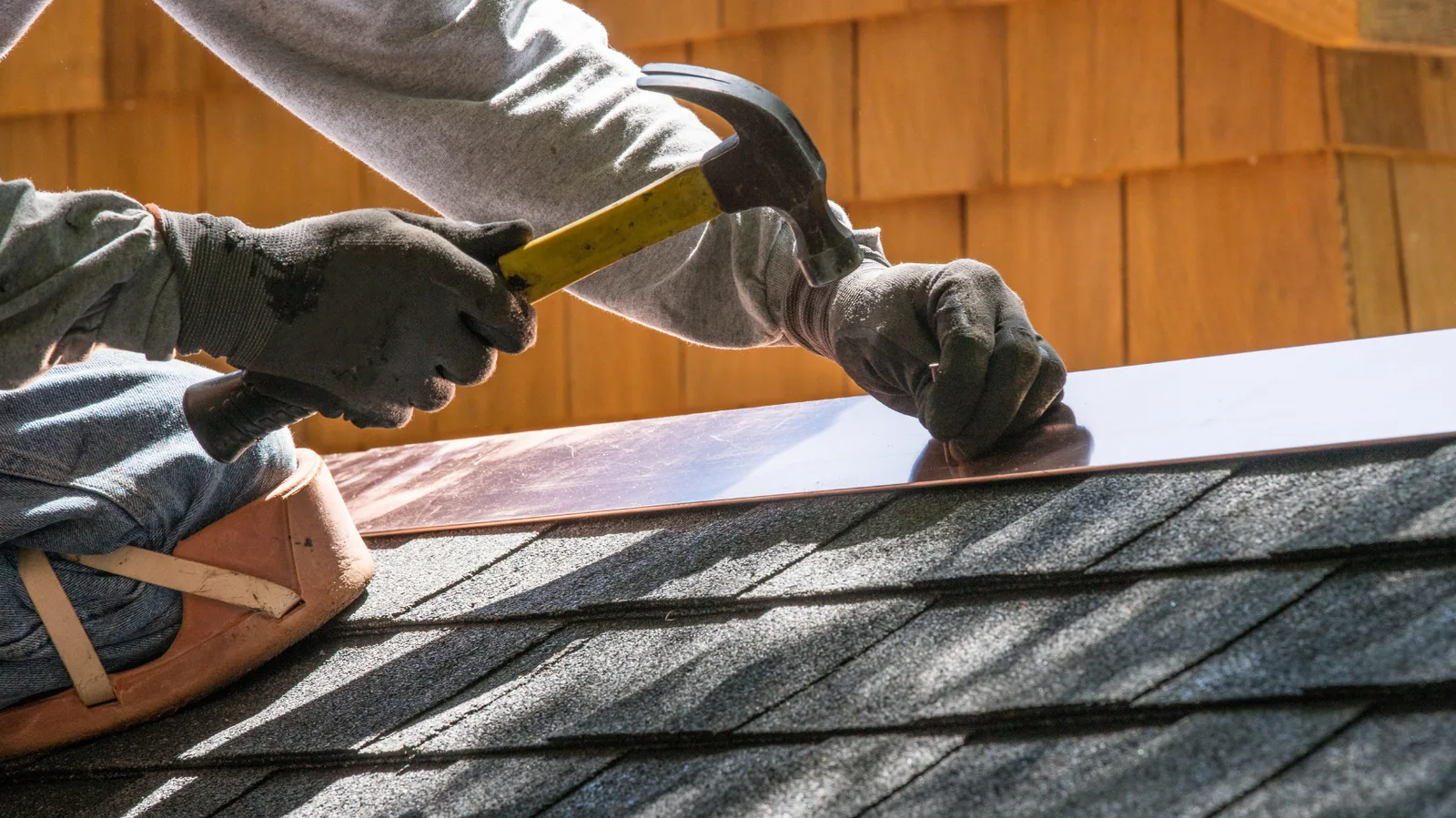
When the existing roof cannot support a useful repair, replacement addresses the covering and the layers beneath it. Start with a free inspection in El Reno.
Free roof inspections. Repair options explained from the roof itself.
A replacement becomes useful when a roof has more than one repair can reasonably solve. Covering that breaks as neighboring shingles are lifted, deterioration across a slope or damage through the adjoining layers changes what can be repaired. Repeated leaks in separate locations also deserve a look at the roof as a whole.
We examine the current roof before narrowing the work. A local failure with sound material around it can remain a repair. When replacement is the better option, the explanation should make clear which roof conditions led there and what the new work addresses.
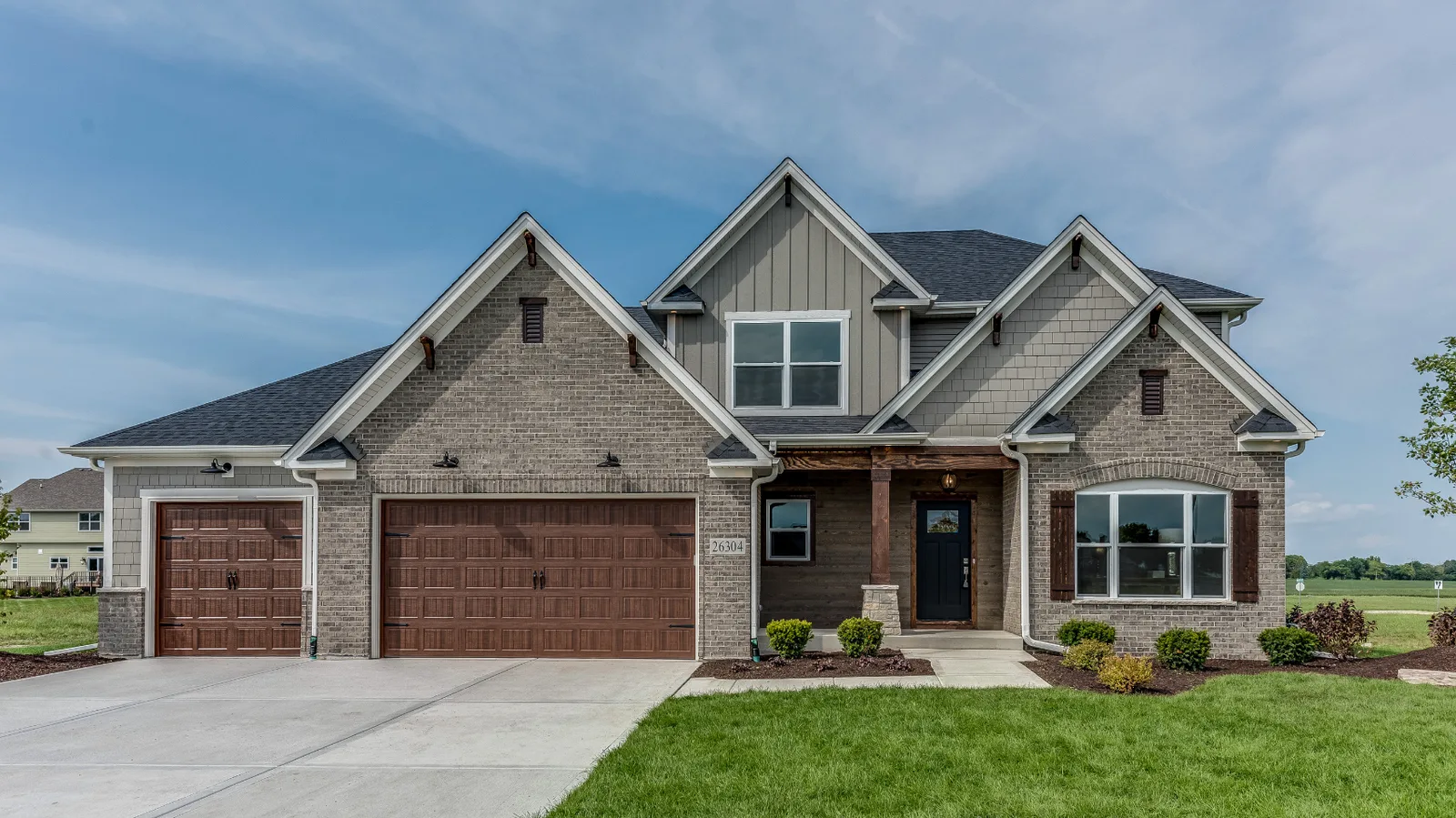
A replacement is more than new shingles over an old surface. The deck and the water-shedding details establish the base and connections for the covering.
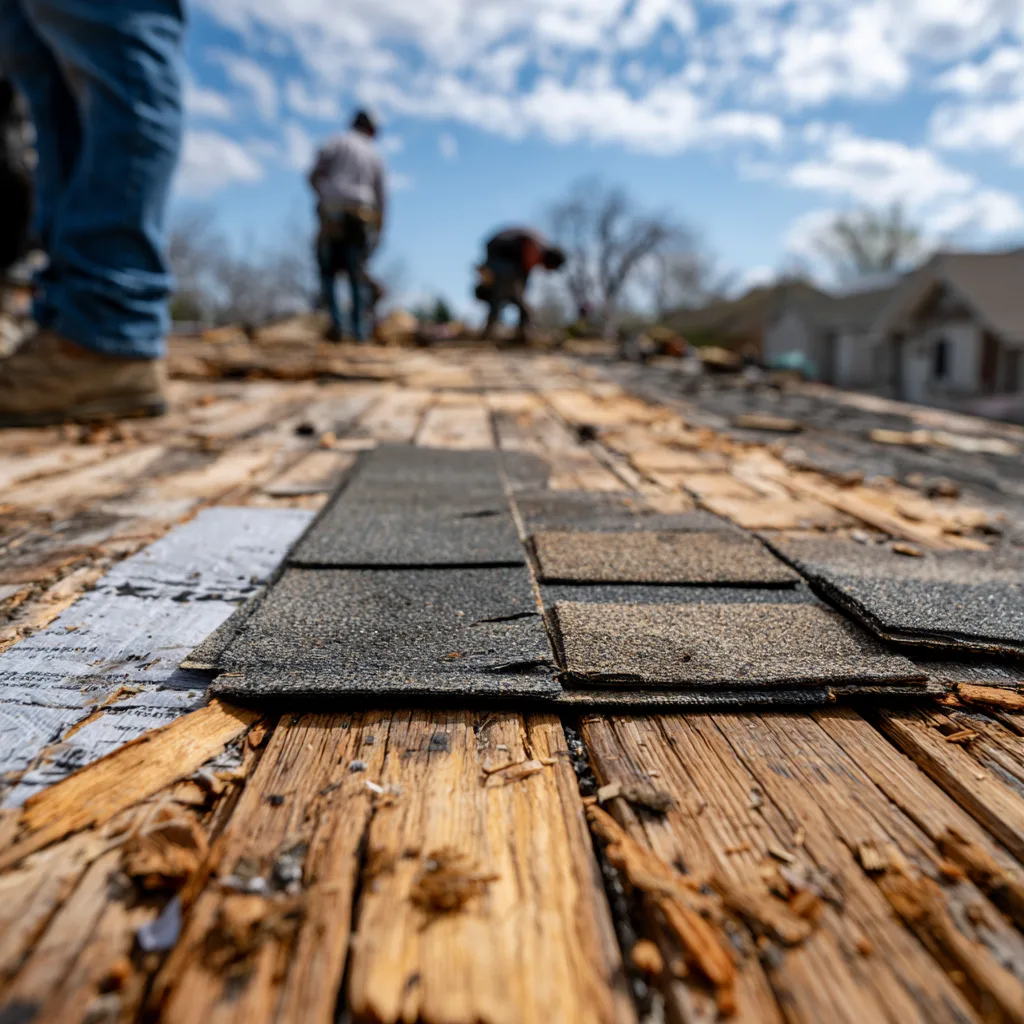
Tear-off exposes the roofing layers and deck. The existing assembly and applicable requirements determine removal and any permitted material that can remain.
Damaged wood needs appropriate replacement. Framing, attachment and larger structural concerns are identified separately from replacing the roof surface.
Underlayment, valleys, starter and edge details, wall and chimney flashing, and penetrations need compatible connections before the covering is complete.
Shingle or metal installation follows the chosen system and roof conditions. Ventilation details need suitable intake and exhaust paths rather than a vent selected by appearance alone.
The useful choice is a complete system that suits the roof, the appearance you want and the budget for the work.
Laminated shingles provide a dimensional appearance and use shingle courses with matching starter, caps and required system details.
The condition of the deck, slope, fastening and flashing still matter to the completed roof.
Impact resistance belongs to the particular tested product. A class rating and a hail-performance evaluation answer specific testing questions.
A rating does not make the roof hail-proof or establish an automatic insurance discount.
Standing-seam and exposed-fastener panels use different attachments and detailing. Movement, closures, penetrations and transitions need to be planned.
The selected panel system and the existing roof determine its installation and cost.
For architectural asphalt, these Oklahoma and Oklahoma City regional examples provide a starting budget for a known roof surface. They are useful planning totals before the actual roof is priced.
| Known roof surface | Replacement planning range |
|---|---|
| 1,500 sq. ft. | $6,750 to $11,250 |
| 2,000 sq. ft. | $9,000 to $15,000 |
| 2,500 sq. ft. | $11,250 to $18,750 |
| 3,000 sq. ft. | $13,500 to $22,500 |
The model assumes one existing layer to remove, normal access, moderate complexity and usable decking. Extra removal, damaged decking, difficult access and complex flashing change the total. These asphalt examples do not price metal or commercial roofing.
The roof's price and its coverage are separate decisions. Understanding the terms avoids treating a product label or claim payment as a promise about every part of the project.
A manufacturer warranty addresses the defects and remedies described in its actual product terms. Eligibility, exclusions and registration requirements depend on that product.
The contractor providing the work sets any applicable installation or workmanship terms. That coverage has its own issuer, scope and conditions.
Covered cause, deductible, depreciation and policy limits affect insurer payment. An agreed roofing price can include work outside the covered settlement.
Understand roof warranty termsRead the Oklahoma roof insurance guide
No. The deck is assessed when the old covering is removed. Sound decking can remain when it suits the system and applicable requirements; damaged wood needs repair or replacement. Structural changes and new-construction requirements are distinct questions.
The work needs a plan for access, material handling, protected entrances and the roof being opened. The arrangement depends on the property and project. Mention access or household concerns while the scope is being discussed.
An overlay depends on the existing assembly, load, condition, manufacturer instructions and current requirements. It also leaves the old layers in place. The proposed scope needs to identify removal and the condition beneath the covering, rather than treating an overlay as the default.
The product and the contractor offering coverage set the actual terms. Material coverage and installation coverage are different agreements. Their issuers, covered work, exclusions and remedies determine what applies.
If the roof is becoming a larger project, let us help you understand the work before you decide. Request a free inspection or call about replacement in El Reno.